.jpg)
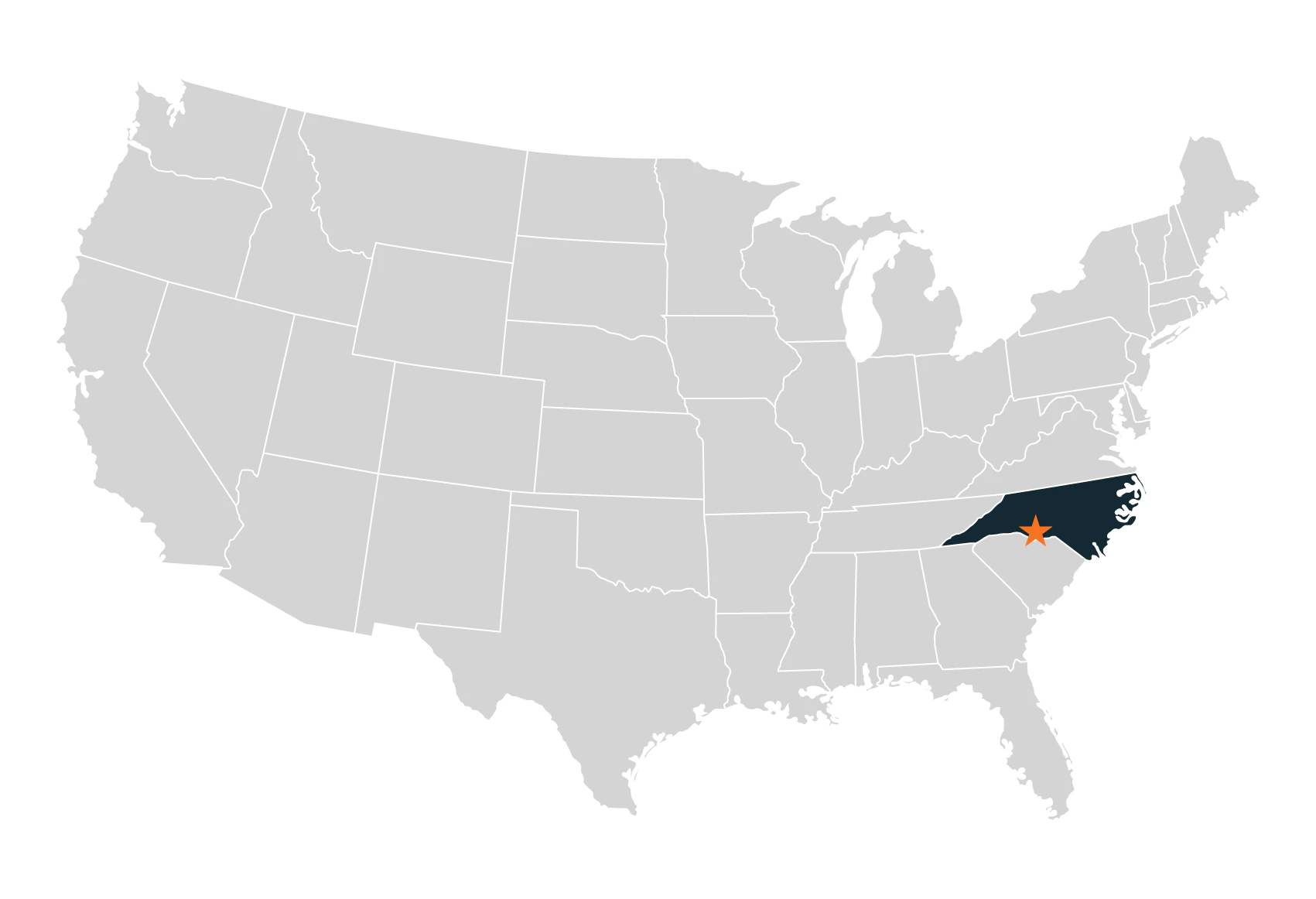
Every Sherpa NDAA UAS is engineered and assembled at our 30,000 sq ft facility in Charlotte, NC. That makes it eligible for procurement on federal contracts and projects where drone component sourcing is subject to NDAA restrictions.
As agencies and contractors tighten requirements around foreign-manufactured drone technology, domestic production is increasingly a qualification, not just a preference. The Sherpa NDAA UAS is built to meet those requirements from the start.
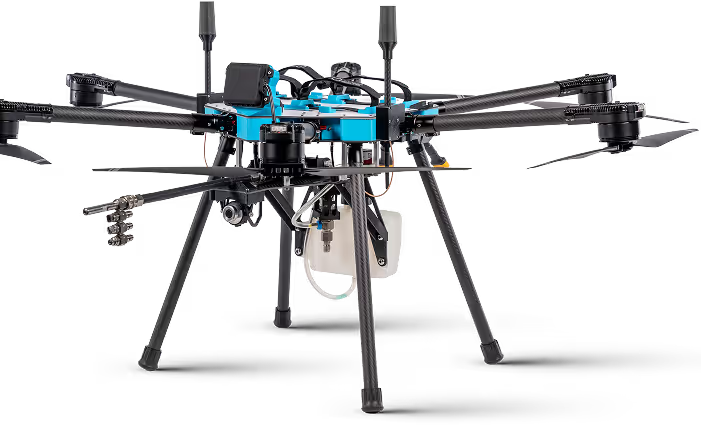
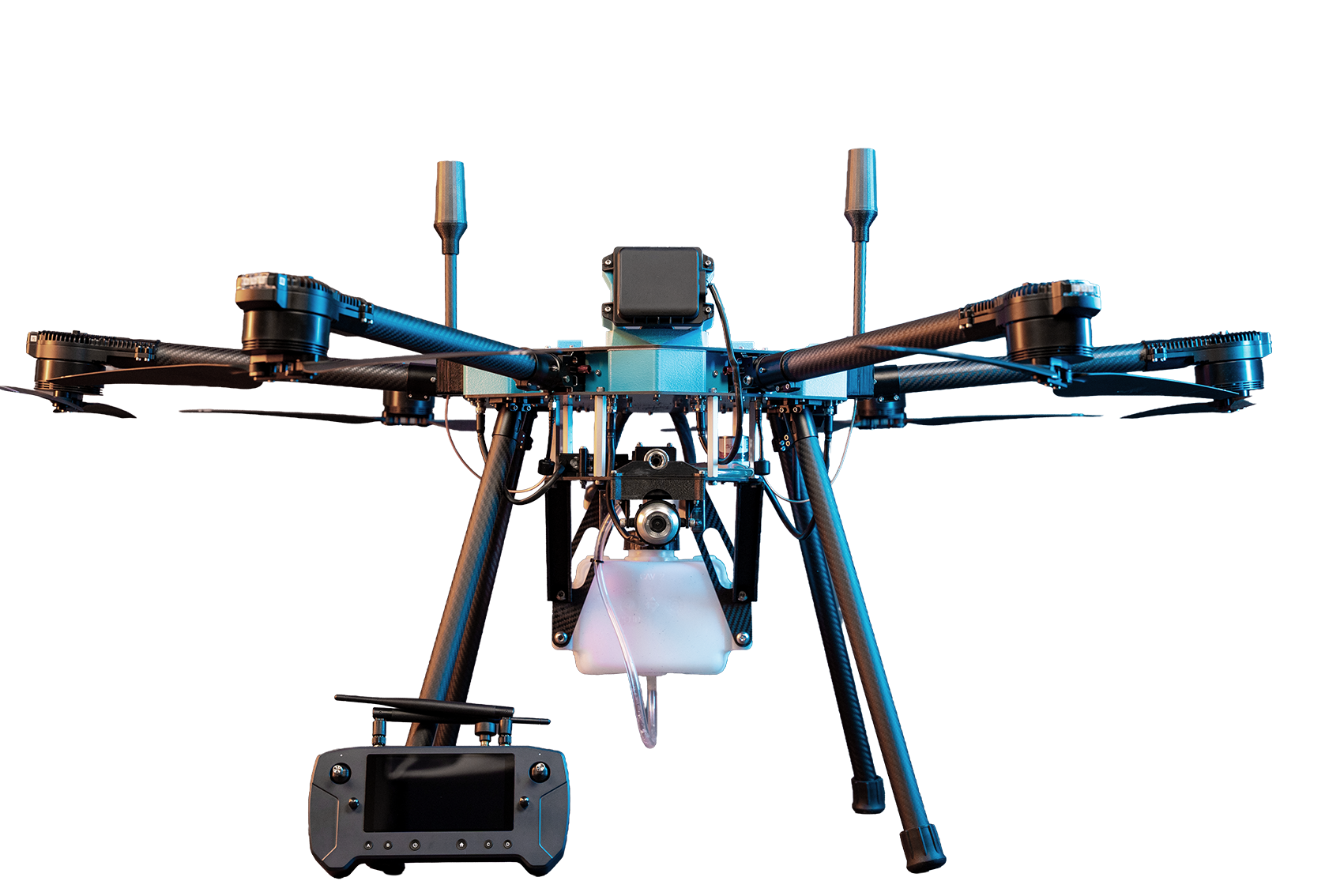
Both sections are part of the National Defense Authorization Act (NDAA), but they cover different areas. Section 848 focuses on unmanned aircraft systems (UAS) and the sourcing of critical drone components. Section 889 focuses on telecommunications and surveillance equipment, restricting the use of certain covered manufacturers.
In simple terms: Section 848 applies to the drone itself, while Section 889 applies to the communications and surveillance technology used within the system.
The operator retains full manual control of the Sherpa Drone at all times. If GPS is lost, the drone maintains position using its failsafe systems. If radio contact is lost, the drone will hover for 60 seconds then initiate a controlled vertical descent straight down from its current position.
The Sherpa Drone applies standard commercial soft-wash chemistry, sodium hypochlorite and surfactant, used by commercial cleaning contractors across the industry.
Yes, with appropriate approvals in place. Drone operations on military installations require coordination with the installation's airspace authority. The Sherpa 1.5 NDAA UAS meets NDAA Section 889 compliance requirements.
The Sherpa Drone's onboard camera is used for operator situational awareness and flight control only. The drone does not store footage on external servers, transmit imagery to third parties, or perform mapping, reconnaissance, or area scanning.
No. The Sherpa NDAA UAS is a distinct configuration with a fully audited Bill of Materials verified to contain zero components from NDAA-prohibited manufacturers. If you are working at a government or military facility, confirm your operator owns the Sherpa NDAA UAS drone specifically, not the standard Sherpa drone.
Lucid Bots is a Charlotte, North Carolina-based robotics company that builds commercial cleaning drones to take on dull, dirty, and dangerous exterior maintenance work.